


-
-
 Appointment Scheduling
-
 Waitlist Management
-
 Confirmations & Reminders
-
 Patient Recall & Outreach
-
 Front Desk 24/7
-
 New Patient Intake
-
 Prescription Refills
-
 After Hours Support
-
 Messages in Your EHR
-
 FAQ Automation
-
 Phone: Inbound & Outbound
-
 Text: SMS & Forms
-
 Website Chat
-
 Voicemail Replacement
-
 Spanish & Multilingual
-
Scheduling, Reminders, and Other Routine Tasks, Handled for Your Psychiatry Practice
A psychiatry practice’s phones carry a lot in a single morning. A patient on a stimulant calls because the pharmacy says the refill isn’t in. Someone who decided to get help asks about a first evaluation, and three med-management patients need to move their follow-ups.
Some of those calls are routine; others need a person on the line. Talkie’s AI takes the routine ones, from refill requests to appointment reschedules, so your team can focus on the calls that need them. Patients who would rather not say out loud why they’re calling can text instead.
Talkie’s AI receptionist answers the routine calls and texts, handles the outreach that goes out, and passes everything else straight to your team

-
9 out of 10 pilots become long-term clients
-
65% less spent on call center operational costs
-
100% of calls picked up, 24/7
Refills, rebookings, recalls: the psychiatry calls Talkie takes on
-

Booking evaluations, med checks, and sessions
A first psychiatric evaluation, a med-management follow-up, a weekly therapy session, a telepsychiatry visit—callers want all kinds of appointments, and the AI works out which is which before offering times with the right provider. You decide what it books on its own and what it routes to the front desk, so visits you’d rather be booked with one of your staff, like a first evaluation, go straight to your team.
-

Refills, controlled substances included
Psychiatry patients call about refills regularly, from antidepressants to stimulants like Adderall. You set how recently a patient must have been seen to get one, with separate rules for controlled substances. If they’re due for a visit, the AI books it on the same call, so there’s no callback to chase. If not, it sends the request to a provider. Nothing is approved automatically.
-

Bringing overdue patients back to their med checks
Medication management only works if patients keep coming, and it’s easy to drift between visits when life gets in the way. The AI reaches out to patients who’ve missed an appointment or are overdue for a med-management follow-up and gets them rebooked, with easy rescheduling if the first time doesn’t work. It works only from the lists you sign off on, for the reasons you choose.
A look at what the agents can do
Scheduling
Keep the calendar full, whether a caller needs a first evaluation, a med-management follow-up, or a therapy session. Book more visits while protecting time with your psychiatrists and therapists.
Prescription Refills
Take the steady flow of refill requests—antidepressants, mood stabilizers, stimulants—off your staff. The AI checks visit history against your refill rules, books a visit on the same call if one is due, and otherwise passes the request to a provider and updates your EHR; requests are collected and routed, never approved by the AI.
Patient Recall & Outreach
Reconnect with patients who are overdue for a med check or haven’t booked since their last session. The AI makes the calls and books the visits, so fewer patients go months without a medication review.
Appointment Reminders & Confirmations
Confirm visits and send prep notes automatically—what to bring to a first evaluation, when to log on for a telepsychiatry visit, etc. Fewer empty slots, fewer surprises at the door.
Creating Patient Cases
Log what patients describe—a side effect after a dose change, trouble sleeping, a question for their therapist—even outside office hours, so your clinicians have the picture before the next visit.
Advanced Call Routing
Send each call to the right place—a medication question, a records request, billing, a session change for a therapist—without your staff playing operator.
FAQs
Answer the questions that come up all day—whether you’re taking new patients, which insurance you accept, how telepsychiatry visits work—so patients get quick answers and your lines stay clear.
New Patient Intake
When a new patient calls, the AI gathers the basics—reason for the visit, referral, insurance, contact details—and creates a chart in your EHR, so your team starts a step ahead.
Spanish & Multilingual
Working alongside your psychiatry team
-

It keeps up with psychiatry terms and medication names
Psychiatry has its own language—MDD, GAD, PTSD, OCD, bipolar disorder, schizophrenia—plus the medications patients ask about by name, from Lexapro to Vyvanse. The AI recognizes these as they come up in conversation, so callers don’t have to explain or spell out what they mean.
-

Calm, private, and free of judgment
Some callers are reaching out for the first time after months of putting it off. A parent may be calling about a teenager, or a caregiver about an adult they support. Our agents give each of them a calm, unhurried response and a clear next step, and follow your rules on what can be shared with someone calling on a patient’s behalf. Anyone who would rather talk to a person can ask for one at any point.
-

EHR integration
Read more about integrationsWhatever Talkie captures on a call lands in your EHR automatically—we connect with athenaOne, ModMed EMA, Elation Health, AdvancedMD, and eMedicalPractice—so nothing has to be re-entered by hand.
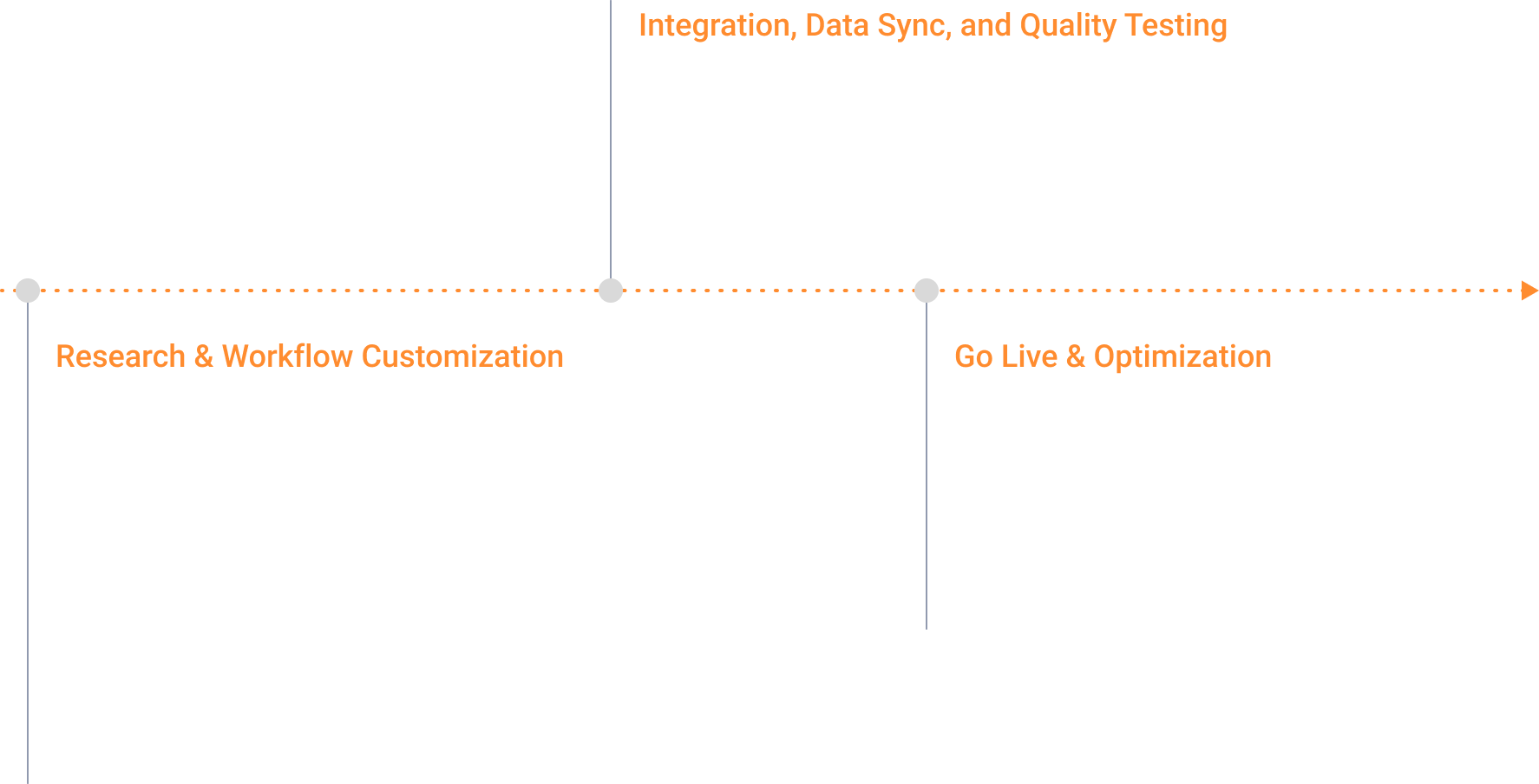
Seamless Deployment in Three Simple Steps
What Our Clients Say
What changes when every patient can reach you

Patients get support, not a voicemail box
Every call is picked up and every text answered, day or night. Refill requests, rescheduled sessions, and questions about a first evaluation get sorted the moment they come in, so a patient who reaches out isn’t left waiting for a reply.

Keep med checks and other sessions on track
A no-show is a patient who missed care and a slot your practice can’t get back. Automated confirmations, reminders, and easy rescheduling keep evaluations, med checks, and therapy sessions from falling through.

More of your team’s day goes to patients
The routine calls run themselves around the clock, so your front desk isn’t tied to the phone—their time goes to the patients in the practice.
Frequently Asked Questions
-
Does Talkie.ai comply with HIPAA and other healthcare regulations?
Yes. Protecting patient data is fundamental to how we work. We meet HIPAA requirements and we also hold SOC 2 Type II certification for an added layer of assurance.
-
How do AI agents handle prescription refills, including controlled substances?
The AI collects the request and routes it to a provider, who makes the decision. Our agents confirm the patient’s identity (such as name and date of birth), check the medication details (dosage, last fill date), and send the request on. Your practice sets how recently a patient must have been seen to get a refill, with separate rules for controlled substances; if a visit is due, the patient can book it on the same call. For every request, the AI only collects and routes: it never approves a prescription on its own. Because we integrate with your EHR, every request is tracked and documented.
-
Can Talkie handle every visit type a psychiatry or mental health practice offers?
Yes. We build call flows that help patients pin down their visit type—a new psychiatric evaluation, a med-management follow-up, a therapy session, a telepsychiatry visit, etc—and the AI offers times that fit your scheduling rules. It works the same way for practices that offer therapy alongside medication management, routing each request to the right psychiatrist, nurse practitioner, or therapist. You decide which visit types the AI books and which it leaves for your staff.
-
How does Talkie.ai handle urgent or crisis calls?
Your practice decides how urgent calls are handled, and we set those rules with you during implementation. During office hours, the AI transfers urgent calls to your staff. After hours, it escalates them to your on-call provider, who is always told that someone called. The AI never gives clinical advice.
For concerns that aren’t urgent, the AI follows the routing rules your practice sets during setup—taking a message for your team, transferring to staff, or booking a visit.
-
What happens if a patient asks something only a psychiatrist can answer?
The AI doesn’t attempt an answer to anything that calls for clinical judgment. If necessary, it hands the call to your staff or offers to book the patient in with a provider.
-
Can patients text the practice or use web chat instead of calling?
Yes. Talkie works across voice, text, and web chat, so patients who’d rather not talk through why they’re calling—at work, on a bus, or simply by preference—can reach your practice in whatever way feels most comfortable.
-
Will AI agents replace my front desk team?
No. Talkie takes over repetitive work—scheduling, refills, routine questions—so your staff can focus on complex conversations and patients in the practice. Many practices expand their capacity this way without adding headcount, and patients still reach a person whenever they need one.
-
Will patients know they are speaking with an AI assistant?
Yes—we’re upfront about it. The agent introduces itself as a virtual assistant, with a greeting like: “Thanks for calling our practice. I’m Jessica, your AI assistant.” Patients always know who they’re speaking with.