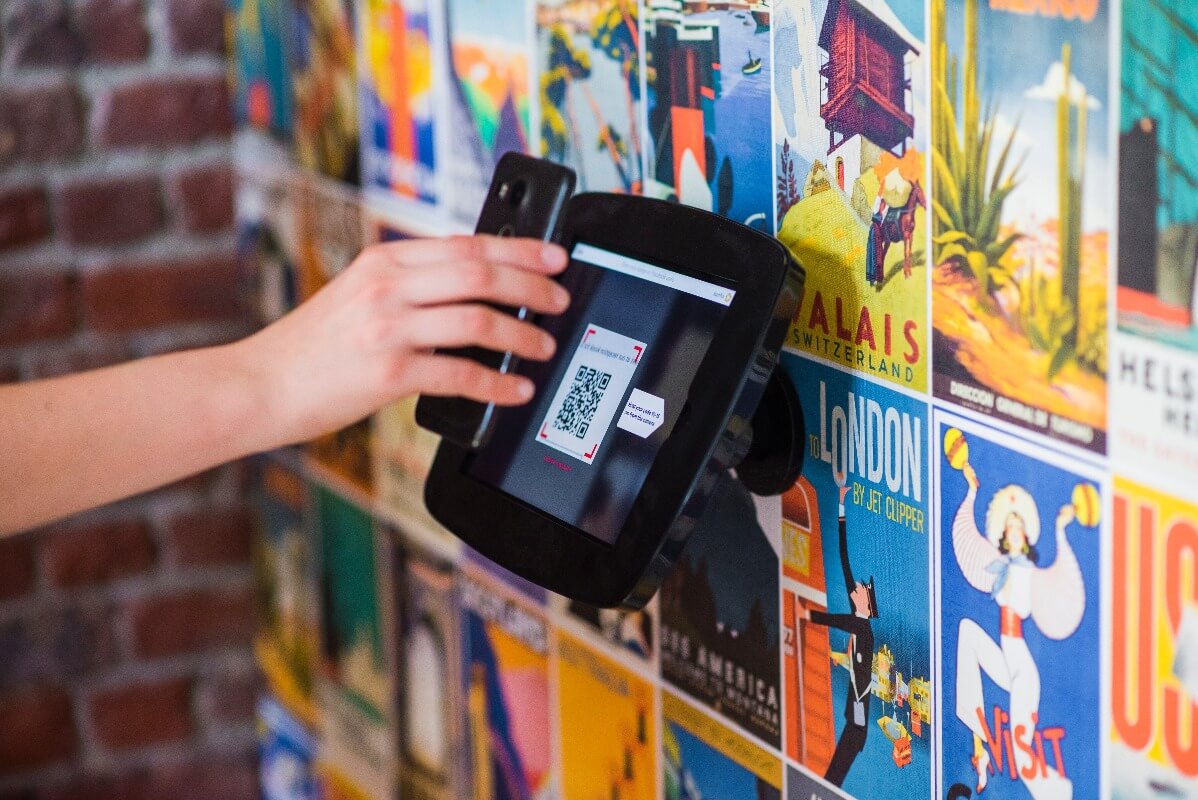
Providing self-service options can improve customer engagement and reduce operational costs while giving your customers a fast and convenient way to resolve their issues. There is data to back that claim, according to Harvard Business Review, 81% of all customers attempt to take care of matters themselves before reaching out to a live representative. If both business and customers see the benefits of self-service, why does it fail so often?
A cost-effective replacement for customer service reps
The prerequisite for moving customers from immediate contact channels like live chat or phone support to self-service options is to make them an attractive alternative to the traditional channels. How? They need to help customers reach their goals faster or easier. Best if they did both.
If you create a self-service channel solely to cut costs and, for example, switch from live support to a knowledge base, it might turn out that you only frustrated your customers and didn’t save a dollar. Different problems need different solutions. For some, knowledge base is the best option, some will be best done through a conversational AI solution, and some can only be solved by talking to a customer service rep. The key to design successful self-service and automation solutions is to create them with humans in mind. Cost-reduction will follow if you do it this way. Here’s our guide to make customer service automation human-centered.
If you make self-service a part of a bigger customer service ecosystem, you’re already on your way to success. How do you increase the adoption of self-service channels, whether it is a virtual agent, knowledge base, or internal platform?
8 tips to encourage customers to use self-service
1. Understand what type of queries are best for what channels
Let’s look at three goals of bank customers when contacting customer service, and the most appropriate channels to address these problems:
- I want to freeze my credit card — speed is the most important factor, so self-service options like virtual agents or in-app options are the most convenient for customers.
- I want to take out a loan but am not sure what options are available — this is a selling opportunity and an advisory one. It’s best left to the customer service team.
- I want to open a savings account. I know exactly what I want. I need the specific steps to do it in the banking system — online help like knowledge base articles or video tutorials will be the most convenient as they let the customer go through the steps at their own pace.
Let’s take the freezing a credit card example. A bank can offer that option via the banking system, via calling an AI voice assistant, or via calling a support agent. The first two have similar speed (no on-hold time) and convenience. Calling a support agent might mean you wait on hold for avg of 10 minutes, and the process itself takes a little longer. And this is exactly what you can tell customers when they reach your help page. Show them which channels are best for what queries. Your help page can have a drop-down list or a search bar that lets customers search for a solution to their problem and offers the most convenient channel to solve it.
2. Run an awareness campaign
Use your social media and existing customer contact channels to let customers know about the new channels you’re adding or run a campaign that lets them know what options are available. Make sure that you show them a real benefit, for example, processing your return via virtual agent takes 30 seconds (including on-hold time) compared to a call, which takes on average 7 minutes (including on-hold time). The same rule applies to any other self-service solution. Make it attractive, and make sure its benefits are clear to your customers.
3. Offer incentives in the early days
If you created a self-service option that is more convenient for customers (e.g., chatbot) but they are hesitant to use it because they don’t know what to expect yet. You can give them the extra push to try it out by offering an incentive, for example, the first 1000 customers who talk to your virtual agent have a chance to win an iPhone. It is important to understand that it is supposed to be a one-time action to encourage first customers to try it out and become the solution advocates. It shouldn’t be a long time loyalty program.