







Run Patient Recall for Better Care and Revenue with AI Outreach
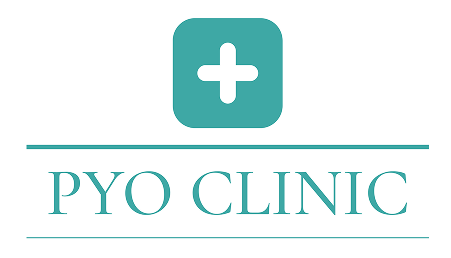
Whether it’s contacting overdue patients, running a seasonal flu shot campaign, or promoting a limited-time offer—Talkie’s AI agents handle the outreach and book the appointments directly in your EHR.
Trusted by






















Every Day, Patients Slip Out of Your Care Cycle—and Your Calendar
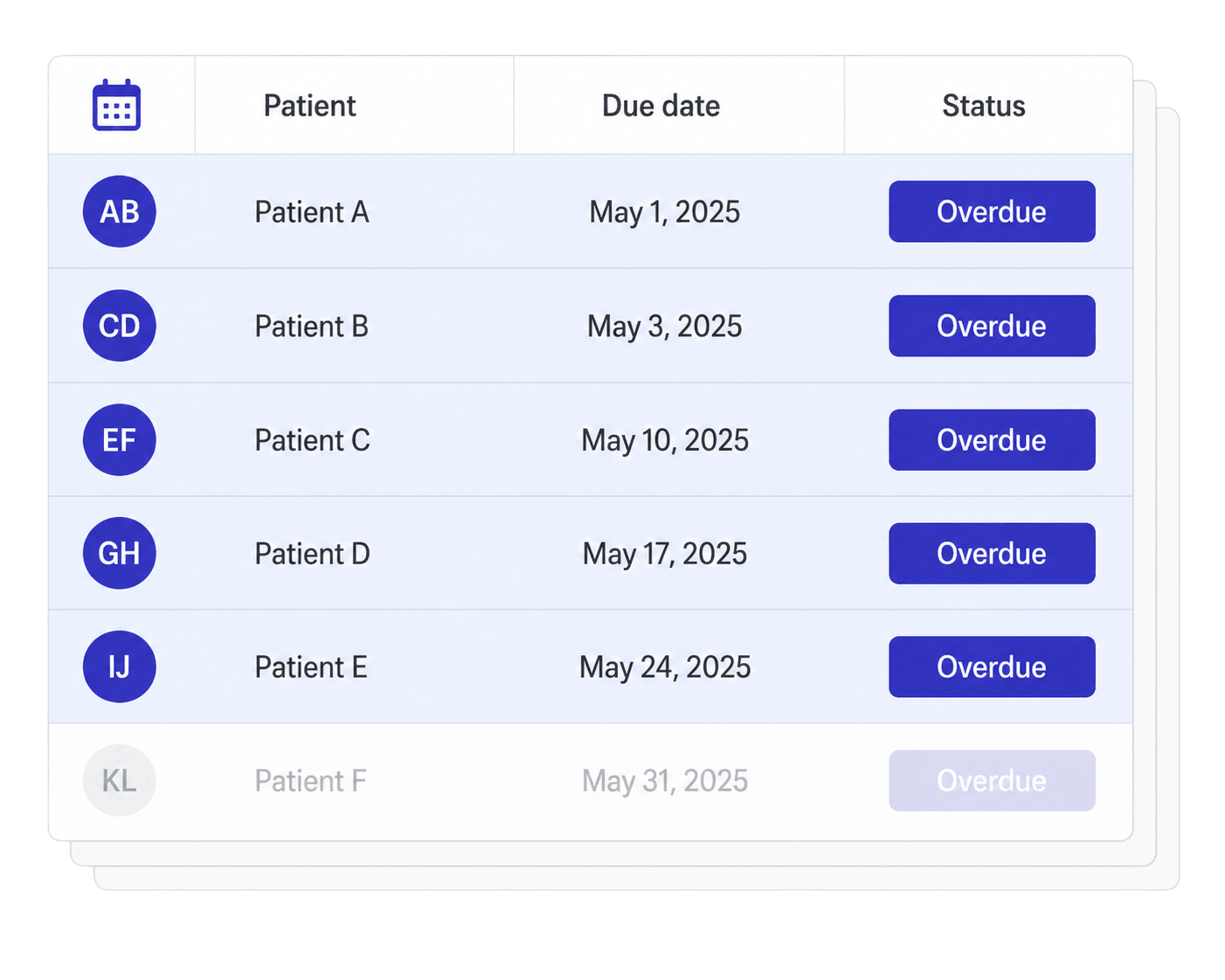
Every practice has patients who are due for a visit but haven’t booked one yet.
Annual physicals. Post-procedure follow-ups. Pediatric well-child checks. Chronic care appointments. Your EHR tracks who needs to come in, and when. But that information sitting in a system doesn’t get patients through the door.
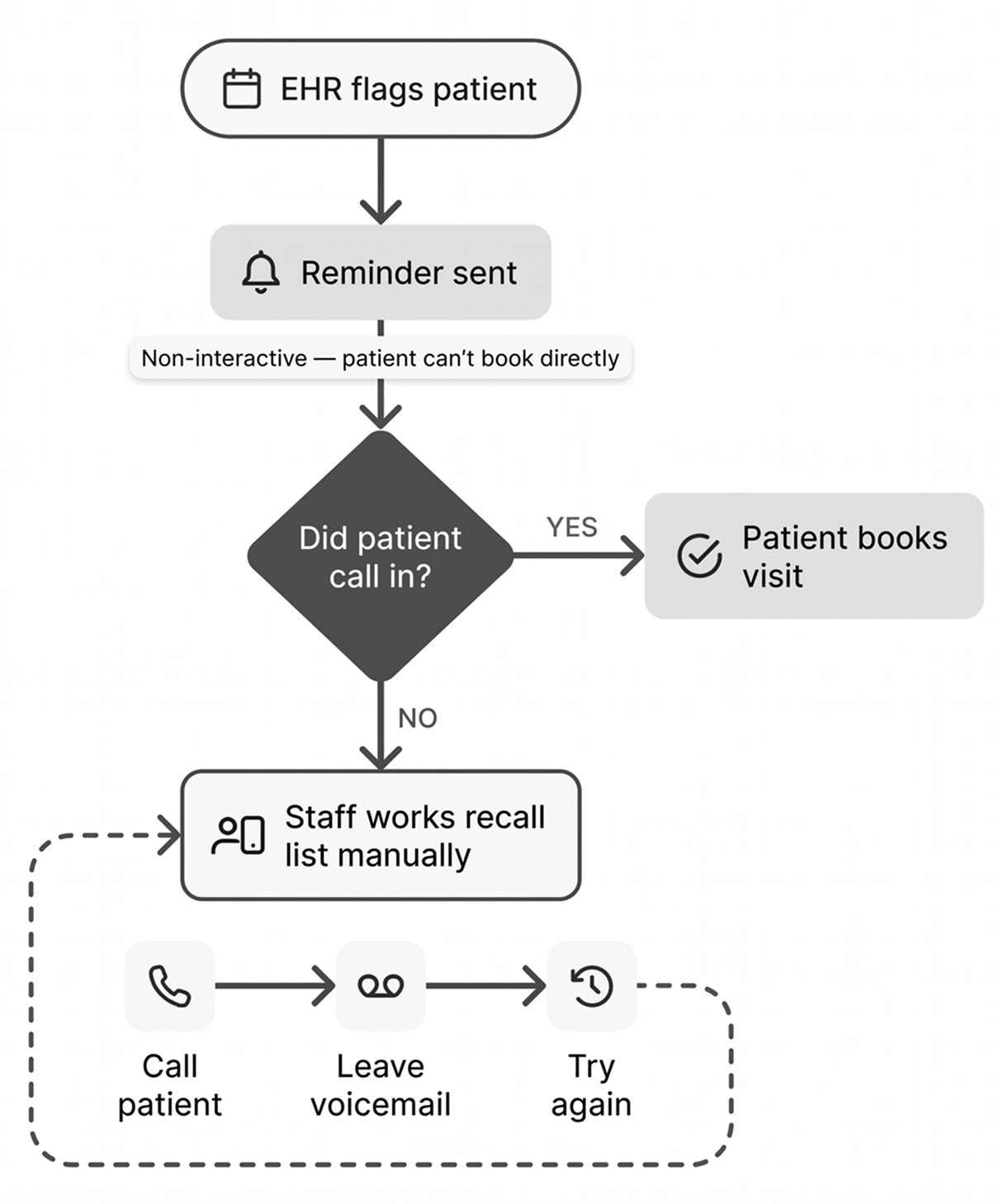
The automated reminder your EHR may be sending isn’t interactive, and calling the practice falls to the bottom of the patient’s to-do list.
On the practice side, the recall list keeps growing—and your staff is already juggling the phones, check-ins, and a full schedule. Outreach is always “important but not urgent,” which means it gets pushed to tomorrow. And tomorrow becomes next week.
That’s where Talkie’s patient recall comes in.
The Revenue Leak No One Has Time to Fix
Patients fall through the cracks in different ways. Here are the most common—and the most costly:
-

Cancellations and no-shows that never get rebooked
A patient cancels their appointment or doesn’t show up—and never reschedules. The longer the gap, the less likely they are to come back on their own.
-

Overdue preventive visits
A mammogram that’s six months past due. A colonoscopy screening that keeps getting pushed. A child’s well-child check that slipped through the cracks. The EHR flags them as overdue, but nobody on the staff has time to reach out.
-

Lapsed patients
Annual visits, chronic care follow-ups, post-procedure check-ins—patients who haven’t been seen in months drop out of the care cycle. Every one of them is a revenue gap that grows over time.
Each one of these is a visit that both the patient and the practice want to happen. The issue is purely logistical—nobody reached out, or the outreach didn’t convert.
How Smart Recall Works—Before and After Talkie
Without Talkie:
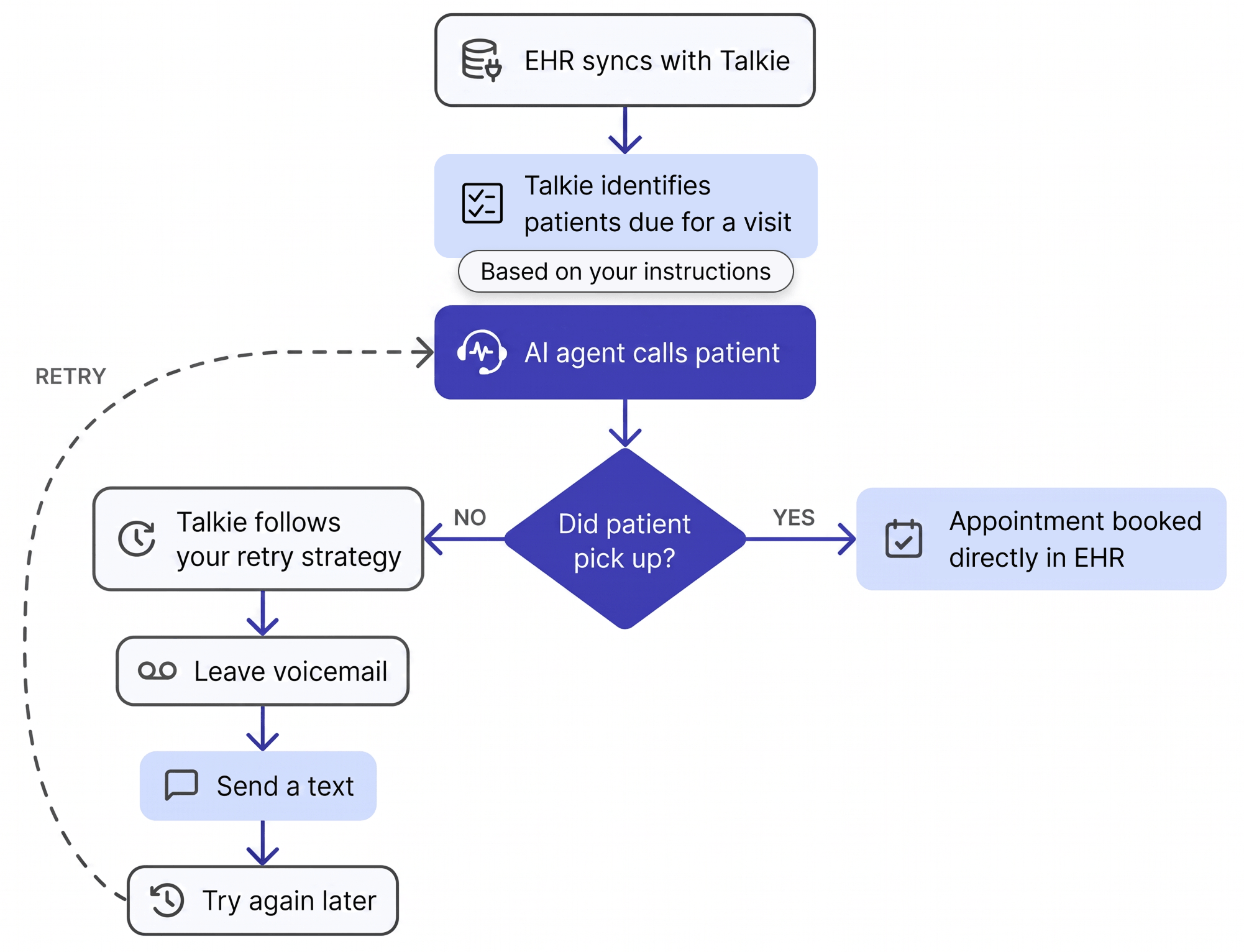
With Talkie:
Deep EHR Integration Makes It Possible
The reason Talkie can do all this—not just remind patients, but actually book their visits—is deep, native EHR integration.
Talkie’s AI agents work inside your EHR. They pull patient data to identify who’s due for a visit, check provider availability in real time, and schedule the appointment directly in the system. When the visit is booked, your records are updated automatically.
This is what makes Smart Recall different from a reminder system—or a call center. A call center reads a script. Talkie reads your EHR.
Talkie offers the deepest integrations on the market with athenahealth, ModMed EMA, Elation Health, and eMedicalPractice.




One Engine, Many Recall Scenarios
Patient recall isn’t limited to one type of patient or visit. You define the criteria and the goal—the AI agents handle the rest.
A few examples of what this looks like in practice:






Why This Matters for Your Bottom Line
What makes AI outreach different from the manual approach is consistency and scale. A staff member working through a recall list might get through 20–30 calls in a day, between all their other responsibilities. An AI agent can work through hundreds—and it doesn’t deprioritize outreach when the waiting room fills up or the phones start ringing.
-

Fill empty calendar slots
Every recovered appointment is revenue that would have stayed on the table. Smart Recall fills gaps your staff doesn’t have time to chase.
-

Improve quality metrics
HEDIS, MIPS, and payer quality scores depend on patients completing recommended visits. Automated recall helps you close care gaps at scale.
-

Zero staff burden
No call lists. No spreadsheets. No “when I get a chance.” The AI agent runs the campaign, books the appointments, and updates the EHR. Your team focuses on patients in the office.
And because every call, text, and outcome is logged in your EHR, you get full visibility into what’s working: how many patients were reached, how many booked, and where to adjust.
Multi-Channel Outreach
Talkie’s outreach campaigns work the same way our appointment reminders do—through phone calls, text messages, or a combination of both.
-
Phone calls
The AI reaches the patient (or parent), has a natural conversation, and books the visit.
-

Text messages
For patients who don’t pick up, a follow-up text keeps the door open to schedule.
-
Retries
You configure the strategy—call first, then text; text first, then call; how many times the AI attempts contact before backing off, etc.
FAQ
-
How does Talkie know which patients to call for recall?
Talkie connects to your EHR and identifies patients who are due or overdue for a visit—for example, by reading appointment ticklers in athenaOne. When a patient enters the scheduling window, the AI agent reaches out to book their visit.
-
We already have appointment reminders. How is this different?
Reminders are great for patients who already have an appointment. Smart Recall finds the ones who don’t—the cancelled, the overdue, the lapsed. The patients who fell off your radar entirely.
-
Our staff can make those calls.
They absolutely can—when they have time. But between answering inbound calls all day and checking in patients, how many recall calls actually get made? Smart Recall runs in the background without touching your staff’s workload.
-
What if patients don’t want to be called?
The agent has a natural, conversational approach—not a blast or a robocall. And you control the criteria: who gets called, when, and for what. You can start narrow and expand as you see results.
-
Can I run outreach campaigns that aren’t tied to recall?
Yes. You can create custom campaigns—for promotions, seasonal services, new offerings, or patient reactivation. Define the audience and the message, and Talkie’s AI agents make the calls.
-
Can I control which patients get called?
Yes. You can filter by appointment type, provider, location, patient age, or other criteria. You define the campaign rules; Talkie executes them.
-
What happens if the patient doesn’t answer?
Talkie follows your retry strategy. That might mean leaving a voicemail, sending a follow-up text, or retrying the call at a different time. You configure the approach.
-
Does Talkie actually book the appointment, or just remind patients to call?
Talkie books the appointment. The AI agent offers available time slots and schedules the visit directly in your EHR.
-
What about patients who call in on their own to schedule?
When a patient books a recall visit themselves, Talkie updates your EHR so they’re removed from future outreach for that visit.