







How AI Handles 100+ Patient Calls a Day in English and Korean at a Small Washington Clinic
Answering every incoming call while providing high-quality care was a constant challenge for Family Medicine Clinic, a small primary care practice in Washington. With a large and diverse patient base—including 40% Korean-speaking patients—staff often struggled to keep up with simultaneous calls, leaving patients waiting for assistance and staff stretched thin.
Enter Rachel, the clinic’s AI front desk assistant provided by Talkie.ai. Once it integrated into the practice’s workflow, Rachel ensured that patients could reach the clinic 24/7, in both English and Korean, even during the busiest hours or when the clinic’s closed.

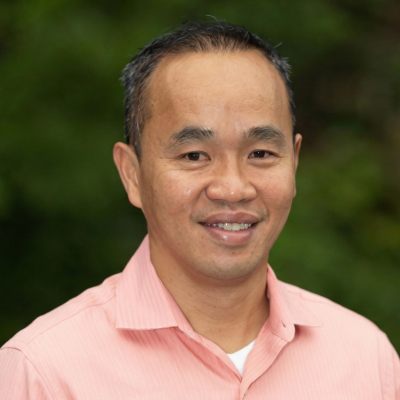
“Talkie had made a great impact on our practice. I find that the value is only getting better as we go along. It allowed our patients to be able to reach us 24 hours a day. We love the fact that our Korean patient is able to call and is able to get [AI] Rachel to speak in Korean. For all of my staff to be able to handle 100 calls a day, it’s impossible. But with Talkie.ai—not a problem at all.”Dr. Vuthy Leng Physician
-
3200 Calls per month handled at peak
-
118+ Calls per day handled
-
40% Patients are Korean speakers (and can speak Korean with the AI)
Family Medicine Clinic
Website:
https://lengmd.com/2 locations
in Washington
AI agent, Rachel,
“joined” the team in August 2025
Automated processes:
• Appointment scheduling, rescheduling, cancelation
• New patient intake
• Voicemail replacement
• Multilingual
• FAQ automation
• RX refills
• Message for provider (AI summary)
• 24/7 after hours service
EHR:

Specialty: Primary Care
The Challenge: High Call Volume and Limited Staff
Before implementing Talkie.ai, the clinic faced several key challenges:
- Simultaneous call handling: Staff were unable to answer multiple calls at once, causing long wait times and missed opportunities.
- Limited resources: Being a small practice, Family Medicine Clinic simply did not have enough staff to manage the daily volume of phone inquiries.
- Diverse patient population: With 40% of patients speaking Korean, language barriers created additional obstacles.
The clinic needed a solution that could scale with patient demand, support multiple languages, and seamlessly integrate into existing workflows.
Before using Talkie we had difficulty keeping up pace with multiple calls coming at the same time. I just don’t have enough staff to be able to answer the phone calls and serve all my patients appropriately.
Dr. Vuthy Leng
Physician at Family Medicine Clinic
Meet Rachel: Multilingual AI Assistant Available 24/7
Rachel was integrated into the clinic’s workflow to address these challenges. Key capabilities include:
- Managing multiple calls simultaneously: By handling multiple calls at once, Rachel keeps up with high call volume.
- 24/7 availability: Patients can reach the clinic any time of day or night.
- Multilingual support: Fluent in English and Korean, providing care to a diverse patient population.
My favorite thing about Talkie is the ability to speak multiple different languages. We are a very diverse clinic. We love the fact that our Korean patient is able to call and is able to get Rachel to speak in Korean.
- Scheduling appointments: Works for patients of all ages, including older adults, without staff intervention.
- EHR integration: Creates new patient charts and captures information in real time in the practices’ EHR—Elation Health.
The implementation process was collaborative and gradual, allowing the clinic to provide input and optimize workflows. While there was a learning curve, the flexibility of the system allowed the team to tailor Rachel to the clinic’s unique needs.
The Impact on Patient Access and Practice Efficiency
Since integrating Rachel back in August 2025, the clinic has seen significant operational and patient-focused benefits:
- Call volume managed: Rachel handles ~100 calls per day, a volume that was beyond the capacity of the small staff.
For all of my staff to be able to handle 100 calls a day, it’s impossible. But with Talkie.ai—not a problem at all.
- Simultaneous calls: The AI carries even 10 conversations at the same time, eliminating bottlenecks.
- Patient satisfaction: Patients can access scheduling and information 24/7, including Korean-speaking patients.
- Older patient adoption: Despite the practices’ earlier concern, older patients don’t avoid talking to the AI, and now they regularly use Rachel to schedule appointments.
Talkie also surprised me because I did not anticipate that my older patients, the ones in their 60s and mid 60s, would actually use the AI to schedule appointments. I started to see a lot more on the schedule saying Talkie.ai is scheduling patients that are in their mid 60s.
- Staff efficiency: Staff are no longer tied up with routine calls, freeing them to focus on in-person care.
- Workflow integration: Rachel automatically updates the EHR and records messages for follow-up, improving response time and accuracy.
Rachel demonstrates that AI is not just for large healthcare organizations (although it certainly works at large, multi-location practices, like Urology Group of Southern California.) Small practices can benefit by integrating an AI assistant to handle high call volumes, support multiple languages, and improve patient satisfaction.
With Rachel in place, the clinic now offers seamless, 24/7 access, reduces staff workload, and ensures that every patient—regardless of language or time of day—is supported.
For primary care practices on Elation Health:
Family Medicine Clinic isn’t the only primary care practice on Elation we’ve collaborated with. Read more about how Talkie handles scheduling (annual physicals, AWVs, chronic-disease follow-ups, acute concerns), common primary care refills (hypertension, diabetes, mental health), message threads for new concerns, and recall for overdue visits inside Elation.
Read: Best AI Scheduling Solution for Primary Care Practices Using Elation Health →
Ready to reduce your front desk staff’s workload?
Talkie’s AI agents will help you instantly answer 100% patient calls, and significantly free up your front-end team.
-

Reduce your staff workload and burnout
-

Automate up to 85% of the most repetitive calls like scheduling, Rx refills, and FAQs
-

Reduce call center operational costs by 60%